
26 Oct Company vs LLP in India: Which Business Structure Is Right for You?
Company Vs LLP in India – Which is the Right Choice for You?
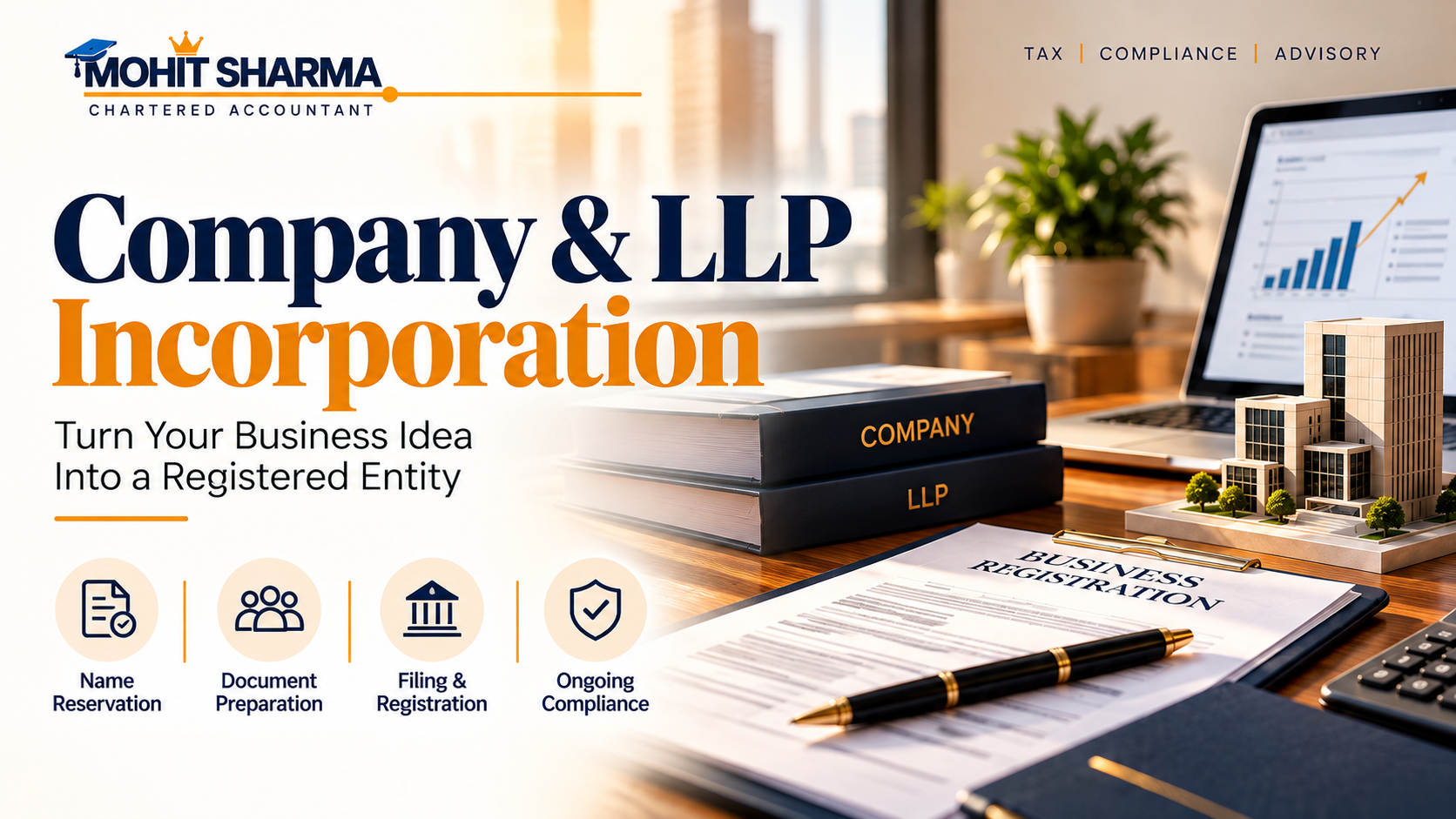
Starting a new business can be an exciting time. However, choosing the correct legal structure is an important consideration to make. The two most popular choices for entrepreneurs in India would be a Private Limited Company or Limited Liability Partnership.
Whilst both have limited liability, there are differences between how they are owned, run, raised funds and compliance obligations.
Private Limited Company
A Private Limited Company is a legal entity that is registered under the Companies Act, 2013. It is typically suited to those wanting a formal structure of shareholding, scalability of ownership or raise funds.
This will involve:
Shareholding / Ownership
Directors appointed and their responsibilities
Accounting and annual compliance requirements
Documents for future investment / ownership changes
Limited Liability Partnership (LLP)
An LLP is an entity with limited liability and is run on a partnership basis. This could be suited to professionals, service industries or entrepreneurs that wish to run on an LLP agreement.
This will involve:
Partners and their responsibilities
Profit sharing
Requirements on Designated Partners
Annual filings and compliance obligations.
Key Differences Between Company and LLP
Ownership – Private Limited Company has shareholders and shares. LLP has partners with rights and responsibilities typically set out within the LLP agreement.
Raising Funds – A company may be more suited to raising funds from investors and having a shareholding structure. However, it will depend on what your investor is looking for and your business plan.
Running – A company will be run by Directors and the relevant corporate governance structure. An LLP will be run according to the LLP agreement and relevant law.
Compliance – Both will have compliance requirements. These will depend on the entity and situation.
Business Objectives – If you are planning to scale up your business significantly or raise equity investment then a company may be better suited. Whereas, if your business is run by partners and is a professional or service industry then an LLP may be more suited. There is not necessarily one that is more favourable to your business.
Considerations Before Registration
Will you be running the business alone or with partners?
Do you want to raise funds from investors?
How will ownership and profits be split?
What compliance and reporting requirements can you manage?
What structure will help your long term objectives?
Also consider how the entity will be taxed, what the registration costs will be and what compliance requirements there are.
How to Register a Company or LLP
Incorporating a company or registering an LLP will be done differently with the Ministry of Corporate Affairs (MCA). The documents required will depend on what structure you are registering, who is involved and the requirements.
Ensure you have the correct documents to hand relating to your identity, address and business. Ensure you have confirmed the name you wish to use and are aware of the current requirements for filing with the MCA.
Need Help with Company or LLP Incorporation?
Getting the correct structure in place at the beginning will help you to put in place a clear ownership structure and understand what your compliance requirements are.
CA Mohit Sharma can provide you with professional support when incorporating a company, registering an LLP and providing documents and guidance on compliance.
Contact us to discuss what structure works for your business objectives.
CA Mohit Sharma
8826980093
Note: This article is for general information only. It is not a substitute for professional legal or tax advice. Registration, tax and compliance requirements should be considered according to relevant laws and your individual circumstances.
No Comments